Dog Training Company in Asheville
Choosing the right Dog Training Company in Asheville, NC can have a lasting impact on your dog’s behavior, confidence, and overall quality of life. At Asheville Dog Company, we offer professional training programs built on clear communication, consistency, and real-world results. Our approach helps strengthen the bond between you and your dog while improving obedience and reliability in everyday situations.
What Is Dog Training Services?
Dog training services are designed to teach dogs how to behave appropriately while helping owners understand how to guide and reinforce those behaviors. Training goes beyond basic commands—it builds structure, trust, and reliability in everyday situations.
As a professional dog training company, Asheville Dog Company focuses on:
-
Obedience and manners
-
Leash skills and impulse control
-
Confidence-building for nervous dogs
-
Addressing common behavior challenges
Effective training is tailored to each dog. Age, temperament, environment, and past experiences all play a role in how training is approached. You can learn more about our programs on our dog training services.
When You Need a Dog Training Company in Asheville
Many dog owners assume training is only necessary when problems arise, but working with a dog training company early often prevents issues altogether.
You may benefit from professional dog training services if:
-
Your dog ignores commands or pulls on the leash
-
You’ve added a new puppy to your household
-
Your dog struggles in social or public settings
-
You want consistent behavior at home and outdoors
-
You’re preparing for boarding, travel, or lifestyle changes
A trusted dog training company helps dogs adapt to new situations while giving owners the tools to maintain progress. Training is not about perfection—it’s about building reliable habits over time.
Cost & Timeline in Asheville
Dog training timelines vary depending on the dog and the goals involved. There is no universal timeline that works for every dog.
Factors that influence training progress include:
-
Your dog’s age and learning history
-
The behaviors being addressed
-
Consistency at home
-
Environmental distractions
In Asheville, many owners see steady improvement when training is paired with daily practice. The focus is always on long-term success rather than quick fixes. Clear guidance and consistency matter more than speed.
Need help with Dog Training? Request a quote from Asheville Dog Company today.
Steps: How Dog Training Works
Working with Asheville Dog Company follows a structured and supportive process designed to set both dogs and owners up for success.
Here’s how it typically works:
-
Initial evaluation of your dog’s behavior and needs
-
Discussion of goals and expectations
-
Creation of a customized training plan
-
Hands-on training sessions with owner involvement
-
Guidance for practicing skills between sessions
Training works best when owners stay involved. We make sure you understand not just what to do, but why it works, so progress continues outside of sessions.
Some owners combine training with our dog boarding services to reinforce structure and routines in a controlled environment.
Common Mistakes to Avoid
Avoiding common mistakes can help your dog progress faster and prevent frustration.
Inconsistent rules
Mixed signals from different family members can slow training.
Expecting instant results
Behavior change takes time and repetition.
Relying on punishment
Clear guidance and positive reinforcement are more effective long-term.
Waiting too long to get help
Early support from a dog training company often prevents bigger issues later.
Not practicing between sessions
Daily reinforcement is essential for lasting results.
Professional guidance helps owners avoid these pitfalls and stay on track.
Local Notes for Asheville
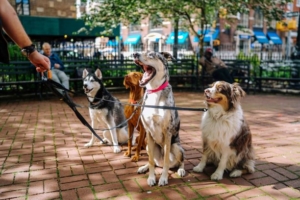
Asheville’s active, dog-friendly lifestyle means dogs are often exposed to trails, public spaces, and social environments. Proper training helps dogs remain calm and responsive in these settings. A local dog training company understands Asheville’s unique distractions and trains dogs with real-world situations in mind.
Conclusion: Choose a Dog Training Company That Puts Dogs First
If you’re looking for a reliable dog training company, Asheville Dog Company is here to help. Our dog training services focus on communication, consistency, and practical skills that improve everyday life for both dogs and owners.
Whether you’re working with a puppy or addressing ongoing behavior concerns, professional training can make a lasting difference.






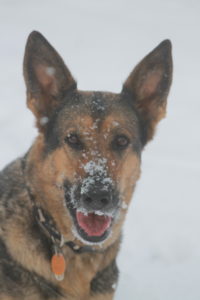
 and our shepherds who will be ecstatic every time it snows.
 Being
Being