
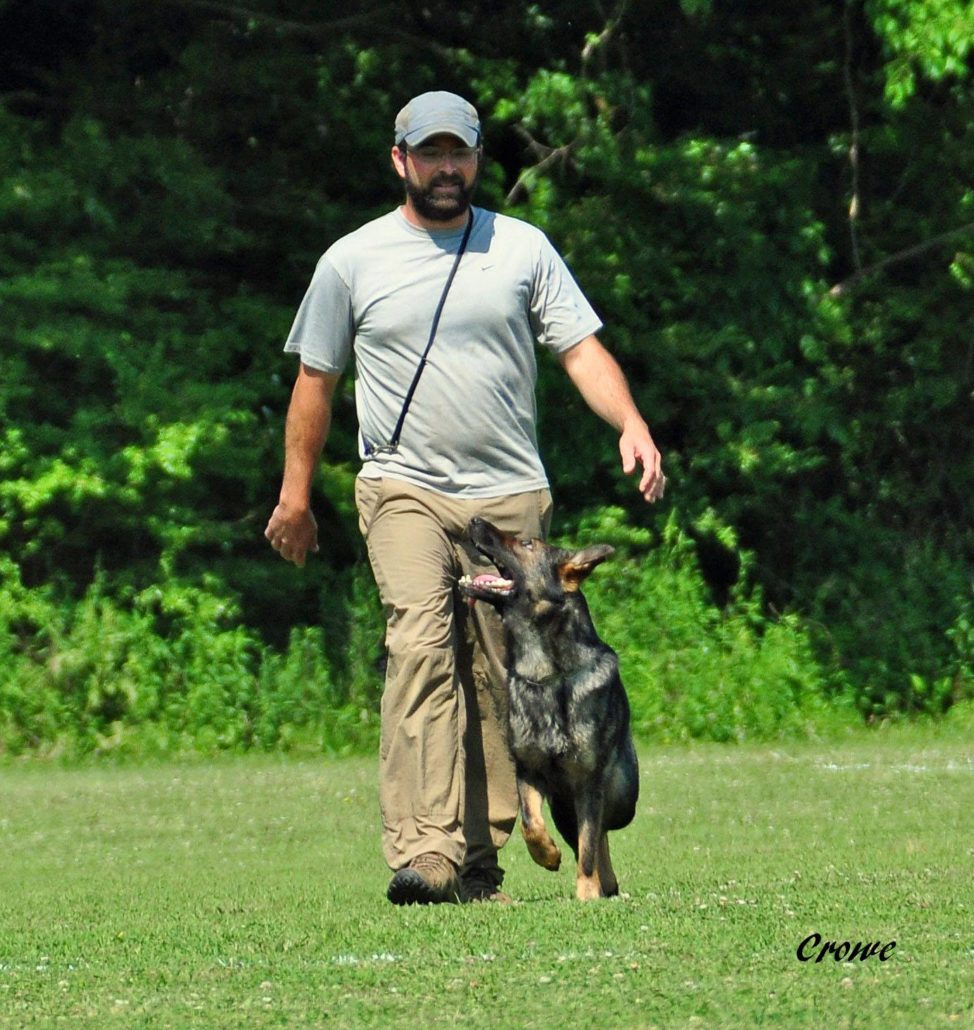
Asheville Dog Trainer: Helping Your Dog Become a Confident Companion
If you are searching for an asheville dog trainer, you are probably looking for more than basic commands—you want a calmer home, better communication, and a dog that feels confident in everyday life. Whether you have a new puppy, a rescue dog adjusting to a new environment, or an adult dog developing difficult habits, professional training can make daily life easier and more enjoyable.
At Asheville Dog Company, dog training focuses on creating practical skills that work in real-life situations—not just during training sessions. The goal is to help both dogs and owners build trust and lasting behaviors.
What is Dog Trainer?
A dog trainer is a professional who works with dogs and their owners to improve behavior, communication, obedience, and everyday habits. Training goes beyond teaching “sit” and “stay.” It helps dogs understand expectations and helps owners learn how to guide their dogs consistently.
Professional dog training can support:
- Basic obedience
- Puppy training
- Leash manners
- Recall training
- Socialization
- Confidence building
- Behavior modification
- Reducing unwanted behaviors
- Improving owner communication
A skilled trainer evaluates each dog individually because every dog learns differently.
Some dogs respond quickly to structured routines, while others need additional time, patience, and gradual exposure to new situations.
When You Need an Asheville Dog Trainer
Many owners wait until problems become frustrating before reaching out for help, but training is useful at every stage of life.
New Puppy Training
Puppies learn rapidly during their first months. Early training can establish healthy habits before unwanted behaviors develop.
Training may help with:
- House training
- Crate training
- Socialization
- Basic commands
- Preventing jumping and biting
Behavior Challenges
Older dogs may develop behaviors that affect everyday life.
Common concerns include:
- Pulling on leash
- Excessive barking
- Jumping on guests
- Difficulty listening outdoors
- Nervous or reactive behavior
- Poor recall
Preparing for Lifestyle Changes
Training can also help before major changes such as:
- Moving homes
- Adding another pet
- Having children
- Increased travel
- Outdoor adventures
Working with an asheville dog trainer early often reduces stress later.
Cost or Timeline for Dog Training
One of the most common questions dog owners ask is how long training takes.
The answer depends on:
- Dog age
- Current behavior
- Training goals
- Consistency at home
- Training frequency
General expectations:
| Training Type | Typical Timeline |
|---|---|
| Puppy Foundations | 4–8 weeks |
| Basic Obedience | 4–10 weeks |
| Behavior Improvement | 8–16+ weeks |
| Advanced Training | Ongoing |
Some improvements happen quickly, but lasting results come from repetition and consistency.
Costs vary depending on whether training includes:
- Private sessions
- Group classes
- Day training
- Board and train programs
- Specialized behavior work
Many owners find that investing in training early helps prevent long-term behavior problems.
The Dog Training Process: What to Expect
Professional training usually follows a structured process designed around your dog’s needs.
1. Initial Evaluation
Training begins with understanding:
- Your dog’s history
- Current habits
- Goals and expectations
- Environment at home
This step creates a customized plan.
2. Build Foundational Skills
Dogs often start with core behaviors such as:
- Name recognition
- Focus exercises
- Sit
- Stay
- Recall
- Leash control
Strong fundamentals support long-term success.
3. Practice in Real Situations
Dogs must learn to apply behaviors outside controlled environments.
This may include:
- Neighborhood walks
- Public spaces
- New environments
- Distractions
4. Owner Coaching
Successful training includes owners.
Dogs benefit when expectations stay consistent at home.
5. Continued Reinforcement
Training doesn’t stop after lessons end.
Daily repetition helps maintain progress and prevents regression.
Common Mistakes Dog Owners Make
Many behavior issues are unintentionally reinforced without owners realizing it.
Avoid these common mistakes:
Inconsistent Rules
If expectations change daily, dogs become confused.
Everyone in the household should follow the same routines.
Expecting Immediate Results
Dogs learn through repetition.
Short daily sessions usually work better than occasional long sessions.
Training Only Indoors
Dogs need practice in multiple environments to generalize behavior.
Using Too Many Commands
Simple and consistent language improves understanding.
Waiting Too Long
Small challenges often become bigger issues over time.
Starting early can create faster, smoother progress.
Local Info for Asheville, NC
Asheville offers an excellent environment for active dogs and ongoing training practice.
Local conditions create opportunities for real-world training including:
- Neighborhood walks
- Outdoor dining environments
- Hiking opportunities
- Community events
- Public green spaces
The variety of environments around Asheville gives dogs chances to practice listening skills in different situations.
Mountain weather, changing seasons, and outdoor activity also make reliability and leash manners especially valuable for local dog owners.
Training in real environments helps dogs remain calm and responsive even with distractions.
Why Training Creates Long-Term Results
Dog training is not about creating perfect behavior—it is about building communication.
A trained dog often experiences:
- More freedom
- Better confidence
- Reduced stress
- Safer interactions
- Stronger connection with family
Owners benefit too because everyday activities become easier and more enjoyable.
If you have been considering working with an asheville dog trainer, starting sooner can help create positive habits and make life with your dog more rewarding. Asheville Dog Company helps dogs and owners build practical skills that support happier, more confident relationships for years to come.


Leave a Reply
Want to join the discussion?Feel free to contribute!